
 MCPL
MCPL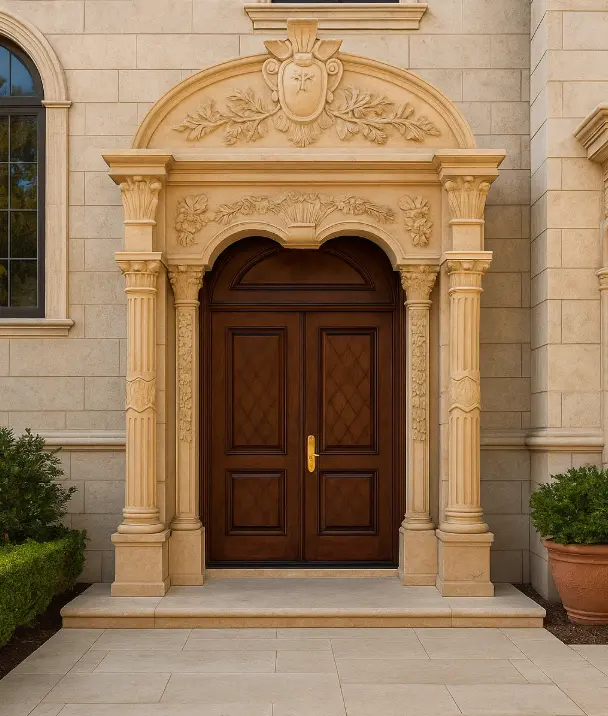
How Architects Use Marble in Buildings: Design, Placement, and Performance
Marble is often reduced to a visual upgrade, but in architectural practice, its use is far more deliberate. Architects specify marble not for decoration alone, but for its ability to define spatial hierarchy, respond to light, and convey permanence within a building. When used without intent, marble becomes excessive and impractical; when used with precision, it becomes a structural and perceptual tool that shapes how a building is experienced over time.
Understanding how marble performs within a building—visually, functionally, and materially—is critical. Design decisions around placement, finish, scale, and detailing determine whether marble enhances a space or compromises its usability. This article examines how architects thoughtfully use marble in buildings, balancing design expression with performance and longevity.
1. Design Intent Comes Before Material Selection
Architects do not begin with marble and search for a surface to apply it. The decision starts with intent—what the space needs to communicate and how it should function. Marble is typically introduced to anchor key architectural moments rather than fill every surface.
In buildings, marble often establishes visual hierarchy. It draws attention to primary zones such as entrances, circulation cores, or transitional spaces. Used sparingly, it creates contrast and emphasis; overused, it dilutes its own impact. Effective design relies on restraint, not repetition.
2. Strategic Placement Within Buildings
Placement determines whether marble feels integrated or imposed. Architects commonly use marble in areas that benefit from durability and visual weight:
Building entrances and lobbies, where first impressions matter and material permanence sets the tone
Staircases and vertical circulation, where stone reinforces movement and solidity
Feature walls and focal planes, helping orient users within large or complex buildings
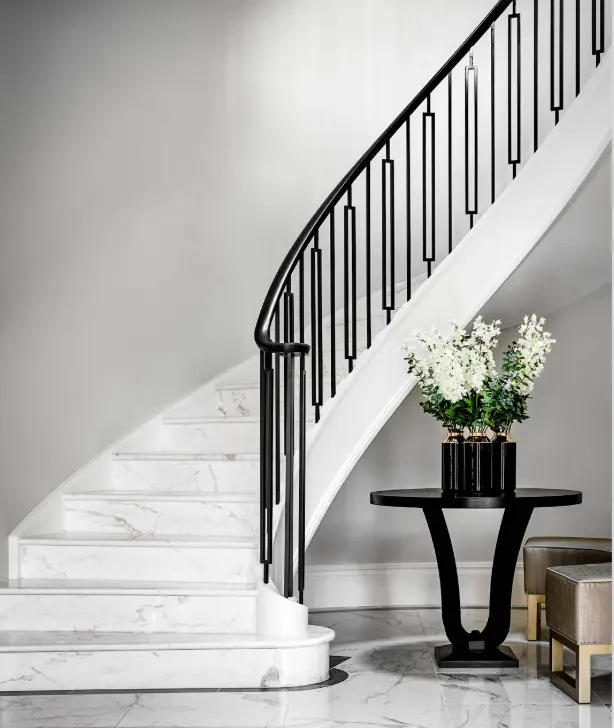

In contrast, secondary spaces often rely on more flexible materials, allowing marble to remain a focal element rather than a background finish.
3. Performance Considerations Architects Cannot Ignore
Marble’s performance varies significantly based on finish and application. Polished surfaces reflect light and enhance spatial brightness but may introduce glare or slip risks in high-traffic or wet areas. Honed or textured finishes offer better traction and visual softness but require careful maintenance planning.
Architects must also consider wear patterns, staining potential, and long-term upkeep. In commercial buildings especially, material performance often dictates finish selection more than aesthetics. Marble works best when its physical properties align with the functional demands of the space.
4. Scale, Joints, and Visual Continuity
The impact of marble is heavily influenced by scale and detailing. Large slabs with minimal joints create visual continuity and reduce surface fragmentation, making spaces feel more cohesive. Joint alignment, veining direction, and slab sequencing are design decisions—not installation afterthoughts.
Architects frequently use bookmatching or vein-matching to introduce rhythm and symmetry, but these techniques require careful planning. Poor execution undermines the material’s value, regardless of stone quality.
5. Longevity and Architectural Responsibility
Marble is a long-term material. Its use carries responsibility beyond immediate visual appeal. Architects must consider how the stone will age, how it will be maintained, and whether it aligns with the building’s life cycle. Unlike trend-driven finishes, marble outlasts design fashions, making it a commitment rather than a statement.
When used thoughtfully, marble contributes to buildings that feel grounded, enduring, and purposeful. When misused, it becomes an expensive surface with diminishing returns.